





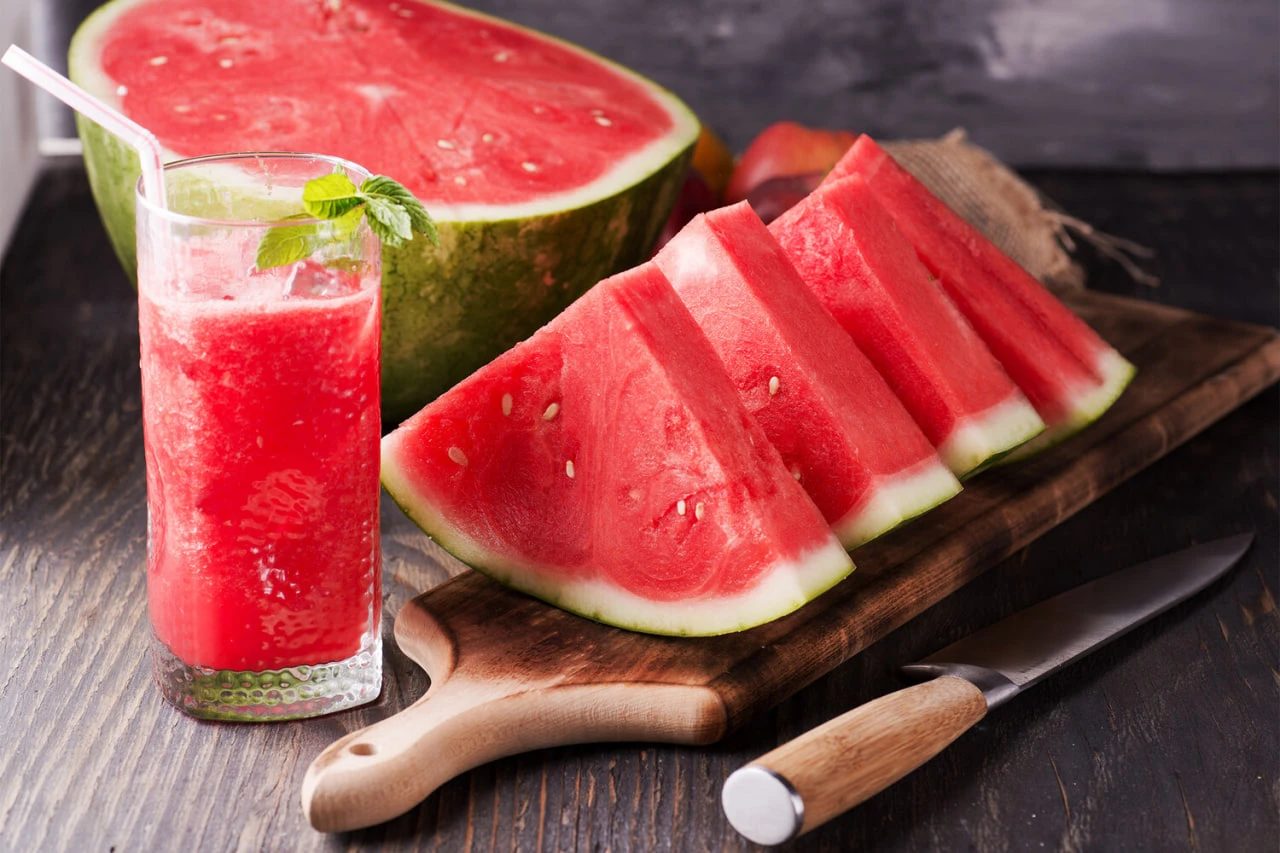
Watermelon not only saturates the thirst during the heat, but also has a number of useful properties. However, some people with certain health problems have to be careful with them. The statement came from SM-Clinic Gastroenterologist Yevgenya Melikova about this.
"Watermelon is rich in vitamins and biologically active compounds, vitamin C, vitamins, folic acid, beta-longing, magnesium. All this supports the immune system, improves cognitive functions and has a beneficial effect on the cardiovascular system. Due to its weak urinary impact, it helps to remove excess liquid and toxins, helps the kidneys and prevents salt sediments. The watermelon is also useful for the skin, helping to improve its turgor and make the skin more elastic, "said the doctor.
However, the doctor advised people to use hyperkalemia (a high level of potassium in the blood) to restrain the watermelon so that arrhyia would not occur. In this case, it is better not to exceed 150-200 g per day.
"It's also worth the watermelon that contains a large amount of fructose, simple sugar that is developed in the liver. Therefore, patients with liver diseases, including hepatitis and cirrhosis, should be careful with watermelon and do not raise it, "Melikova continued.
In addition, the glucose in the watermelon is quickly absorbed and can cause a sharp increase in blood sugar. This is especially important for people with carbohydrate metabolic disorders, including obesity and diabetes.
The doctor also reminded that we should not buy a cut or damaged watermelon in any case. Due to the high content of sugar, its surface quickly becomes a favorable environment for reproduction of pathogenic bacteria that can cause food poisoning or intestinal infection.
Translation of: Euromedia24.com