Euromedia24 on Play Store Euromedia24 on App Sore
BNB

$870.47

BTC

$113082

ADA

$0.868816

ETH

$4608.63

SOL

$213.76

31 °

Yerevan

20 °

Moscow

45 °

Dubai

20 °

London

26 °

Beijing

23 °

Brussels

16 °

Rome

23 °

Madrid

BNB

$870.47

BTC

$113082

ADA

$0.868816

ETH

$4608.63

SOL

$213.76

31 °

Yerevan

20 °

Moscow

45 °

Dubai

20 °

London

26 °

Beijing

23 °

Brussels

16 °

Rome

23 °

Madrid

Products that reduce the risk of cervical cancer have been discovered


A diet rich in antioxidants may be linked to a lower risk of cervical cancer, according to researchers at the Chinese Academy of Medical Sciences, who analyzed data from more than 1,000 women in the United States. The results were published in the International Journal of Gynecology and Obstetrics (IJGO).

The researchers examined data from the National Health and Nutrition Examination Survey (NHANES) from 2003 to 2018. The analysis included 1,044 women, 174 of whom had cervical cancer and 870 who did not.

The researchers assessed the participants’ diets using the Comprehensive Dietary Antioxidant Index (CDAI), which takes into account the total intake of antioxidants from food. The researchers then compared these values ​​with the prevalence of cervical cancer, taking into account other factors that affect the risk of the disease.

They found that each one-point increase in CDAI score was associated with an 11.4% lower risk of cervical cancer. Women with the highest antioxidant intake had a 55.8% lower risk of cervical cancer than those with the lowest intake.

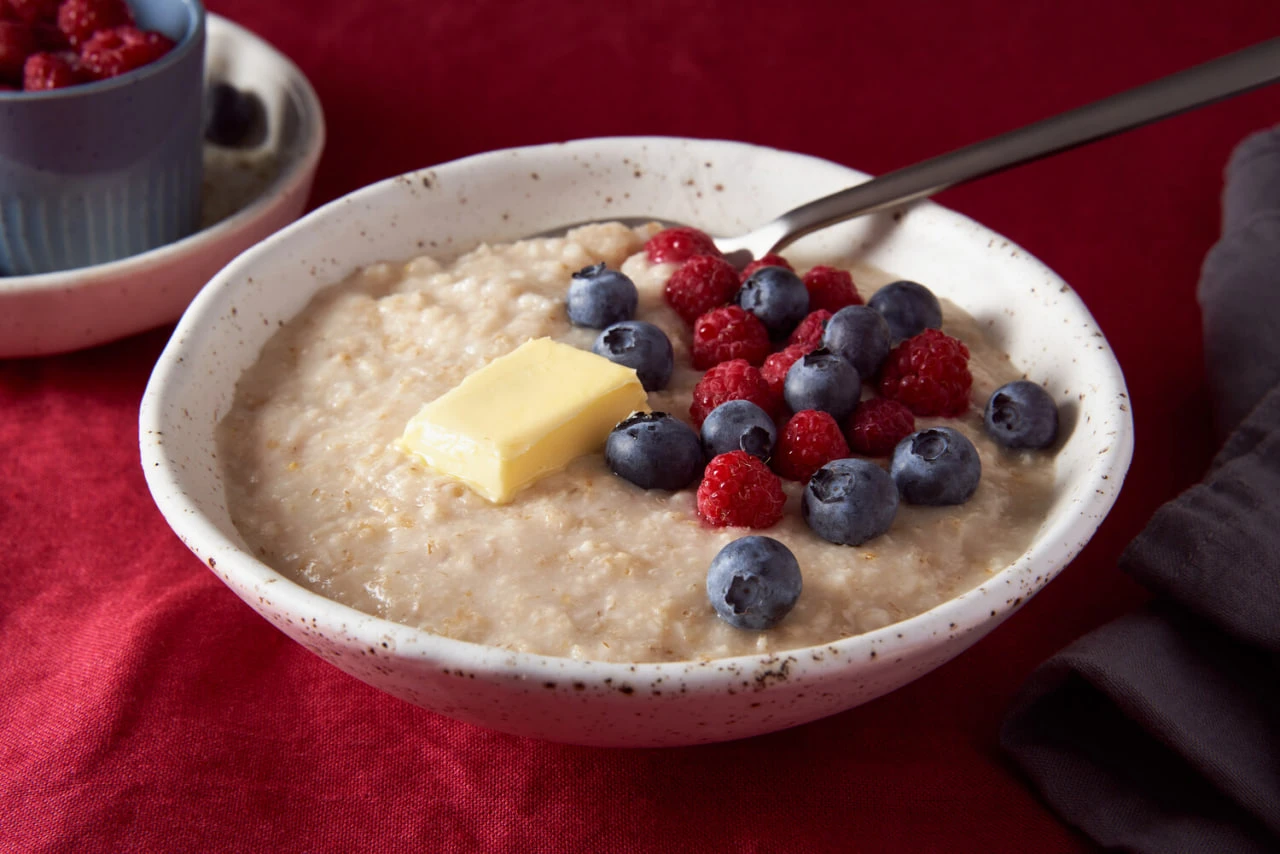
The researchers also found a linear relationship: the higher the level of antioxidants in the diet, the lower the risk of cervical cancer. Antioxidants are found in berries, citrus fruits, green leafy vegetables, nuts, legumes, and tomatoes. They help protect cells from oxidative stress, damage caused by excess reactive oxygen species.

The authors suggest that antioxidants may play a role in disease prevention, but emphasize that the study shows an association, not a cause-and-effect relationship. Confirming these results will require prospective studies and research to determine which dietary components may have a protective effect.



News

Narek Nalbandyan's 'Range Rover' and the accompanying 'Mercedes G' vehicles moved to Abovyan's 'Gai Post'; weapon found with him
What the Grand Canyon is Hiding: Scientists Explain the Mysterious Gap in Earth's History (Photo)
In Scotland, the appearance of a Roman Emperor's Gilded Statue Dismantled Over 1,800 Years Ago Has Been Restored
Head First: Dutch Startup Unveils Hypercar Concept with Unusual Driver Seating (Photos)
Major Power Outages: Hundreds of Addresses Will Be Without Electricity on November 16/17
Man Dies After Bomb Hidden in Sweets Explodes in Mouth - India
Possible traces of the oldest use of poison for hunting discovered in Saudi Arabia about 125,000 years ago (photo)
Clashes Occur During Protest Against Price Increases in Paris
Fight at 'Vayots Dzor' Medical Center between Doctors and Patient's Relative. One Doctor Sustained Physical Injury
Do Not Place a Christmas Tree These Days: Unlucky Dates That Will Ruin the Whole New Year
Financial Horoscope for the Week of November 16-22: Which Signs Will Win
Italy fines Meta €805 million over access to Facebook users’ photos and videos
A 1600-Year-Old 'One-Eyed' Newborn Skull Discovered
Kazakhstan's Chief Prosecutor Demands Investigation into Yandex's Operations and Schoolchildren's Data Leaks
Tesla Offers Autonomous Cybercab to Buyers for $29,990
Terrible Chain-Car Accident in the UAE: 14 Dead and 30 Injured Following Fire After 23-Vehicle Crash
More than 3,700 schools in Italy received fake bomb threat messages
Important
Deportations from the US Have Increased, Hitting an All-Time Record
Casualties Result from Military Helicopter Crash in Malatya Province, Turkey
Trump Nominates Tim Cook to Replace Resigned Nvidia CEO