





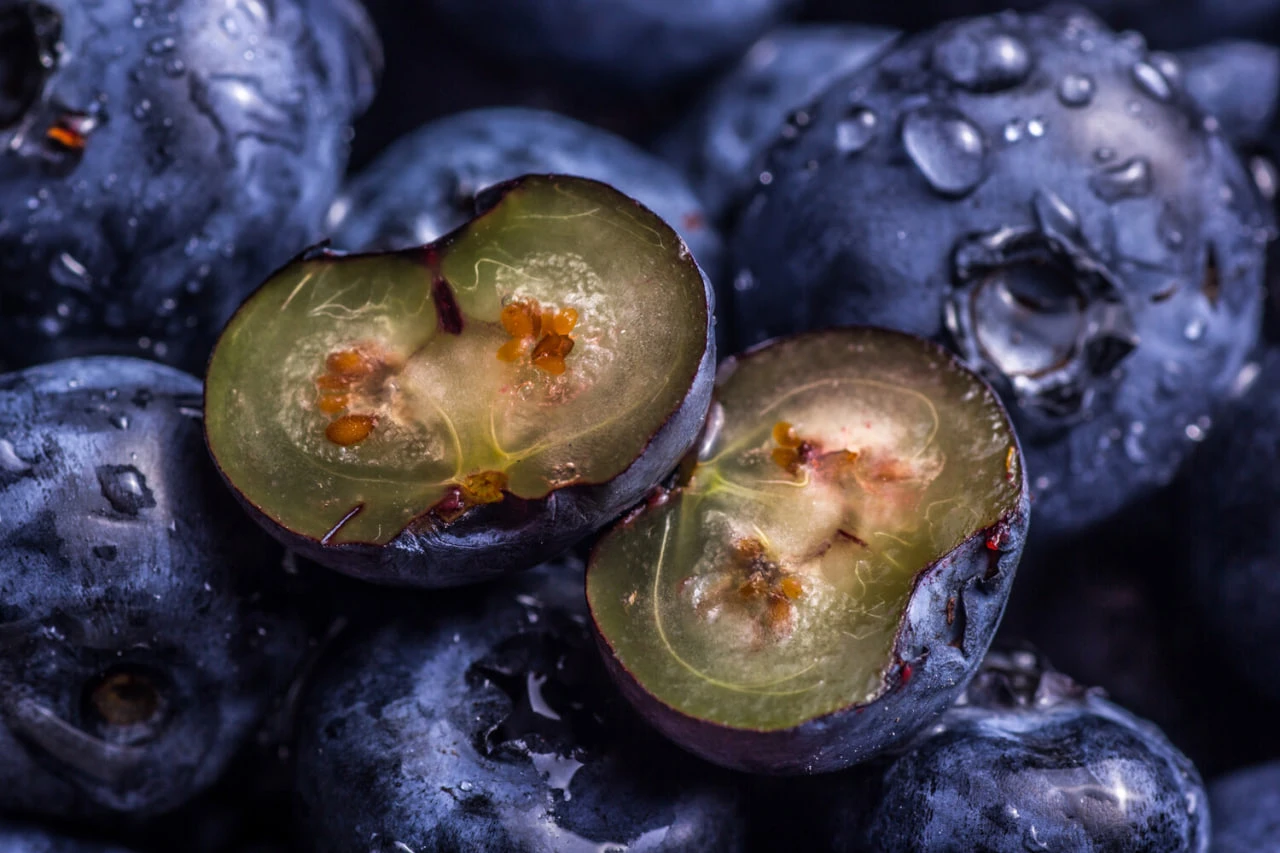
Scientists from the Nicolaus Copernicus University (Poland) found that anthocyanins, the pigments that give fruits and vegetables their purple color, help the body recover faster after physical activity and protect cells from age-related changes. The results of the study were published in the journal Nutrients.
Anthocyanins are found in large amounts in blueberries, black currants, red cabbage, purple sweet potatoes, and other "purple" foods. These substances activate antioxidant protection, reduce inflammation and have a beneficial effect on the heart and blood vessels.
As the authors explain, anthocyanins affect important cellular pathways, including Nrf2 and NF-κB. These signaling mechanisms are involved in the regulation of inflammatory processes and help cells fight against oxidative stress, which is one of the main factors behind tissue damage and accelerated aging after physical activity.
Volunteers who regularly included such foods in their diet showed a faster response to exercise and overall resistance to chronic disease. However, the effectiveness of anthocyanins is limited. only about 2% of these substances are absorbed by the body.
Scientists are currently looking for ways to make anthocyanins more available to the body. One approach is to "package" them in microcapsules. these membranes protect the substance from degradation in the digestive tract and facilitate its penetration into cells.
Another method is to create nanoemulsions, where the anthocyanins are distributed in the liquid as tiny droplets, allowing for more efficient absorption. Researchers have also found that vitamin C (ascorbic acid) can improve the absorption of these compounds.
Translation by Euromedia24.com