

Euromedia24 on Play Store Euromedia24 on App Sore
BNB

$870.47

BTC

$113082

ADA

$0.868816

ETH

$4608.63

SOL

$213.76

31 °

Yerevan

20 °

Moscow

45 °

Dubai

20 °

London

26 °

Beijing

23 °

Brussels

16 °

Rome

23 °

Madrid

BNB

$870.47

BTC

$113082

ADA

$0.868816

ETH

$4608.63

SOL

$213.76

31 °

Yerevan

20 °

Moscow

45 °

Dubai

20 °

London

26 °

Beijing

23 °

Brussels

16 °

Rome

23 °

Madrid

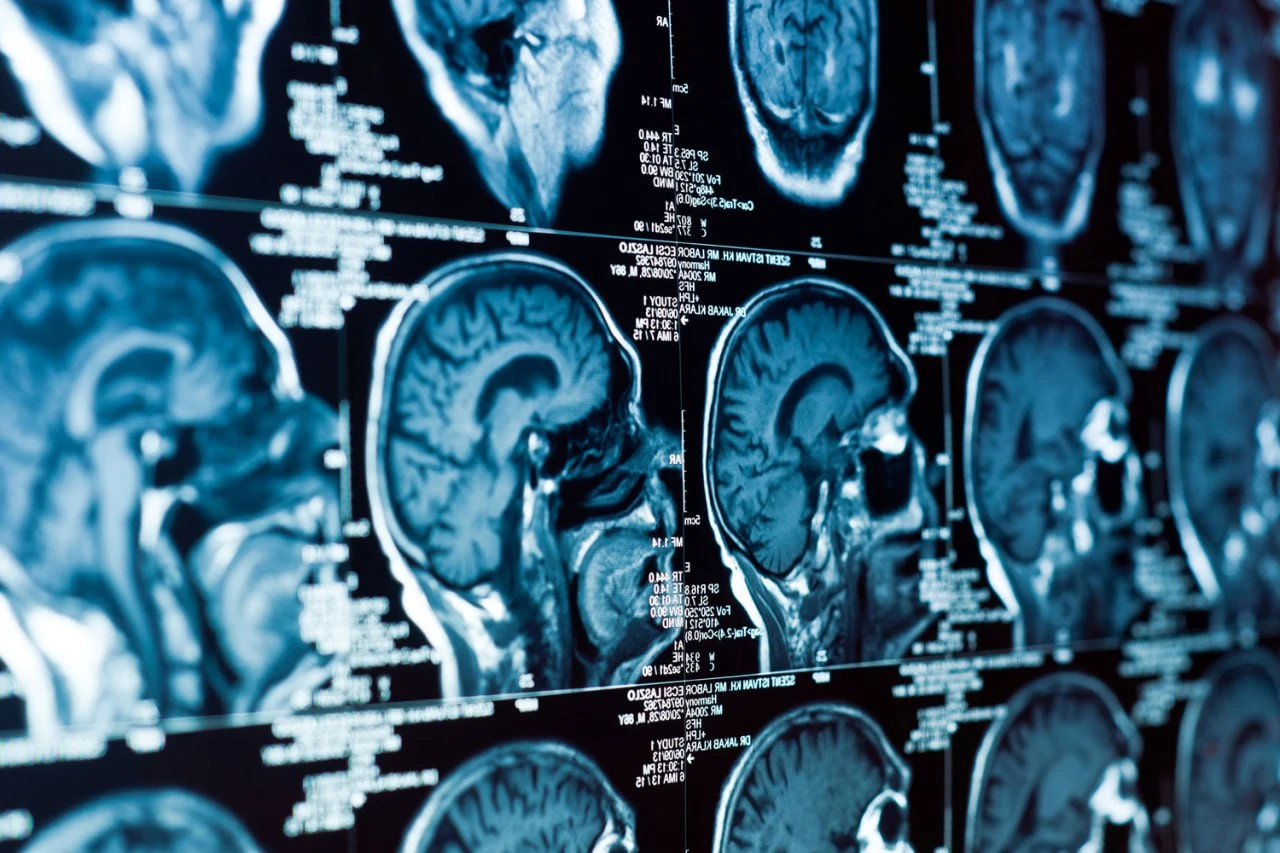
Alzheimer's disease disrupts the internal clock of brain cells, scientists have found


Alzheimer's disease disrupts the circadian rhythms of brain cells responsible for clearing toxic plaques. Scientists from the University of Washington School of Medicine came to this conclusion. The study was published in the journal Nature Neuroscience (NatNeuro).


Alzheimer's disease is often accompanied by sleep disorders. patients sleep poorly at night, feel drowsy during the day, and suffer from confusion in the evening. These symptoms have long been linked to disruption of the biological clock, but the mechanism remains unclear.


The team, led by neuroscientist Eric Muzik, found that amyloid plaques, a key feature of the disease, disrupt the function of hundreds of genes that regulate the circadian rhythms of microglia and astrocytes. These cells act as "cleaners" of the brain. microglia clear the tissue of toxins and dead cells, while astrocytes maintain neuronal function.


In experiments on mice, the researchers showed that when amyloid accumulates, the normal rhythms of gene activity in these cells are disrupted, turning the orderly system into a chaotic one. As a result, the synchronous activity of the mechanisms responsible for amyloid clearance is disrupted. Furthermore, amyloid creates "new rhythms" in hundreds of other genes associated with inflammation.


Previously, Muzik's group had identified the protein YKL-40, the level of which fluctuates with the circadian cycle. These changes are also associated with an increased risk of Alzheimer's disease. Now researchers believe that restoring the normal rhythms of microglia and astrocytes may be a new therapeutic option.


"We are just beginning to understand how the internal clock affects brain health. "Maybe in the future we will learn to control it - strengthen, weaken or redirect it in the right cells," Muzik noted.

News

Fidan discussed the diplomatic processes surrounding the conflict in the region with the German Foreign Ministry
Pakistan has announced its willingness to host the US-Iran talks
Law enforcement officers searched the house of the young man who threw firecrackers at the NSS building. "People"
Opposition sentiments are growing in the health sector. "People"
What did Pashinyan learn at the Academy, that he points a finger at the citizen? conversation "People"
Support for employers hiring people with disabilities and people over 63. "Fact"
Are the "alarms" about finding "stone iron" in food true? "Fact"
The hydrological regime of Lake Sevan on March 16-22, 2026
Lars is open
Trump hopes to reach a mutually beneficial agreement between the US and Iran
"Mitsubishi" and "VAZ 2106" collided on Shirak Street in Yerevan
For me, a citizen voting for those opposition forces will become a participant of October 27: Khachatryan (video)
Iran called on Trump to look to the sky and wait for new surprises
Global explosion. From the Middle East to Europe, the world enters a dangerous phase (video)
Japan will spend about 5.3 billion dollars to control gasoline prices
Tasnim. Iran launched rockets with the image of the Prime Minister of Spain
There is snow in Shirak marz, Aparan and Aragats regions and Spitak bends
Residential buildings collapsed in Istanbul. there are casualties
Big car accident in Yerevan. the car ended up on the pavement
Dangers of glaucoma, tips from ophthalmology (video)