





"Zhoghovurd" daily writes:
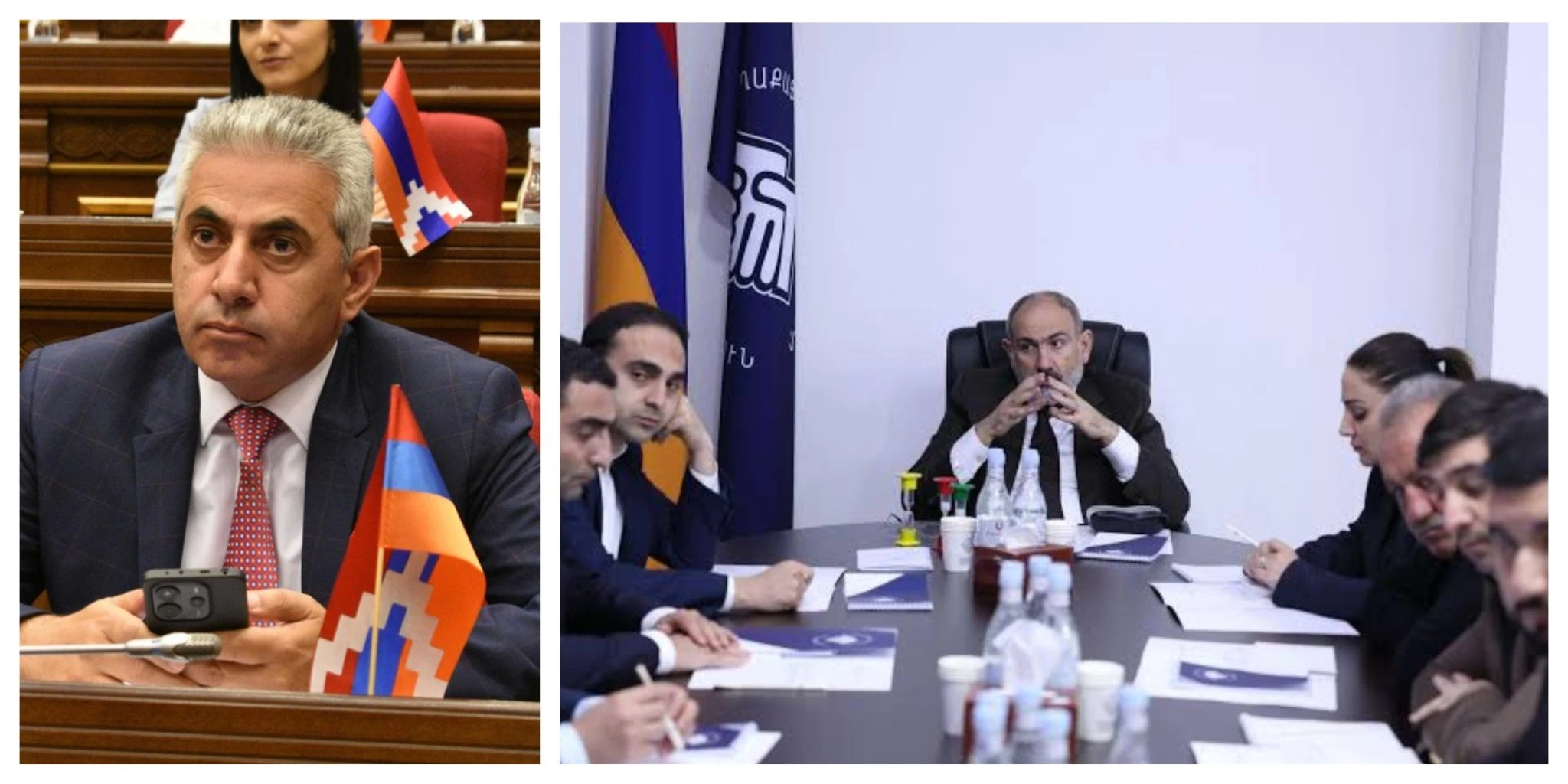
"In 2018, Nikol Pashinyan came to power with loud promises about freedom of speech, protection of human rights, democracy and European values. The citizen should speak freely, the opponent should not be persecuted, the government should tolerate the harshest criticism. Eight years later, the real picture of those promises can be seen in the processes surrounding only one person, the opposition MP Edgar Ghazaryan. Watching the sessions of the National Assembly in recent weeks, it is hard not to notice that Ghazaryan has become one of the main targets of the ruling "Civil Pact" MPs.
Whoever speaks, first declares Edgar Ghazaryan a problem, insults, criticizes, belittles, and then continues. In other words, for the parliamentary majority, the speech of the opposition deputy is no longer just part of the political debate. It has become a problem, and everyone considers it their duty to get rid of that problem. And what is Edgar Ghazaryan's "danger?" His main tool is speech: questions, formulations, criticism and the NA podium. In short, he is doing what opposition MP Nikol Pashinyan does. That's why they will punish the MP.
As early as 2025, a criminal prosecution was initiated against Edgar Ghazaryan under the 2nd part of Article 490 of the Criminal Code of the Republic of Armenia. The accusation is based on his public statements regarding the judges of the Constitutional Court. According to the published data, we are talking about the critical expressions addressed to the judges of the CC between August 28 and October 9, 2024. Moreover, during the criminal proceedings, administrative control was applied to Ghazaryan, which limited the possibility of making certain public statements about judges, prosecutors, investigators, lawyers and other persons included in the relevant article of the Criminal Code. And here another circumstance is extremely important.
The Information Disputes Council, after studying Ghazaryan's case, noted that the proportionality of such restriction is problematic. Moreover, the council expressed a principled position that as long as public speech does not contain hate speech, calls for violence or incitement to hostility, even harsh criticism should be protected by freedom of expression, and the application of the criminal legal mechanism may endanger free public debate. In other words, the issue of freedom of speech surrounding Edgar Ghazaryan's case is not only the opposition's political claim.
It was also recorded on the professional platform. On August 6, 2026, the court already issued a guilty verdict against Ghazaryan. The MP himself stated near the court that they are trying to silence him in this way, because it does not succeed in the parliament. Now the case is entering a stage, the political consequences of which can be much more serious than the judicial fate of one person.
At the beginning of next month, the final indictment will be passed, and if it becomes legally effective, the deputy may be deprived of his mandate. Meanwhile, the real measure of democracy is not the protection of speech that pleases the government. The measure of democracy is the ability to tolerate speech that irritates, offends, sharp, sometimes even too harsh to the government. The government can respond to Edgar Ghazaryan.
You can deny his claims, argue with him, publish counter-arguments, politically crush his theses, if you can. But when the criminal law is implemented in parallel with political speech, and its end result may have an impact on the status of an opposition deputy, the question becomes inevitable: is this justice or a mechanism to push speech out of the political arena? And perhaps this is where one of the biggest contradictions of Nikol Pashinyan's government lies. Today, the government itself shows how much it can be afraid of the words of ONE MAN."
Details in today's issue of "Zhoghovurd" daily newspaper.