





UNESCO World Heritage the largest number Italy leads the list of countries with facilities, with 62 facilities.
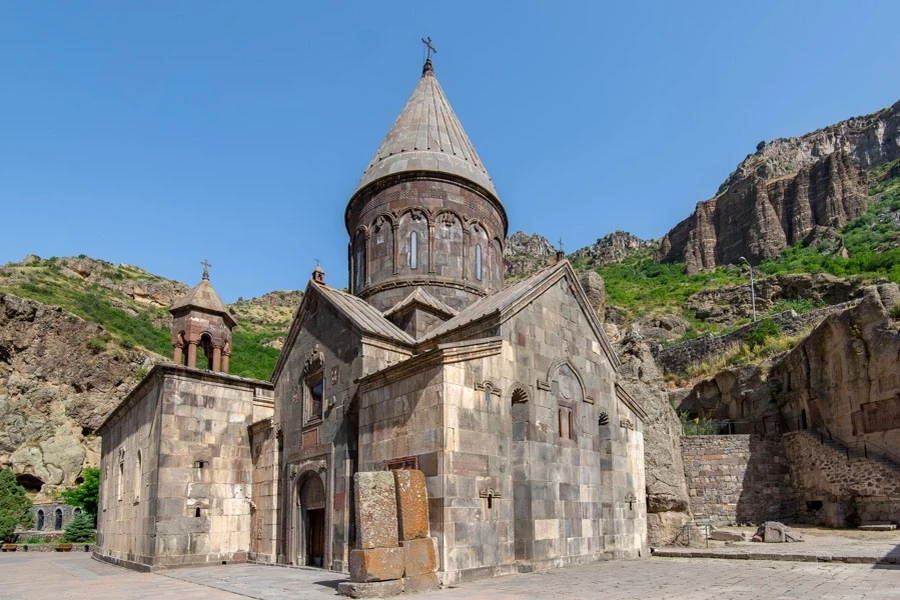
China is in second place with 61 facilities. It is followed by France (56), Germany (55) and Spain (50), which completes the top five. India is in sixth place with 45 facilities. In Armenia, according to the list, the UNESCO world heritage sites include Haghpat and Sanahin monasteries, St. Etchmiadzin cathedral, Zvartnots archaeological monument, Geghard monastery and the upper Azat valley.
Italy's high position is explained by an exceptionally high density of cultural heritage, which includes the ancient Roman period, medieval cities, as well as Renaissance art and architecture. At the same time, the Italian list includes not only famous monuments. it also includes natural objects and cultural landscapes, showing how broadly UNESCO interprets the concept of world heritage.
China's 61 sites also span several millennia of history and include large natural areas. Along with imperial and religious heritage, as well as archaeological monuments, the list includes areas of unique biodiversity, karst landscapes and mountainous regions.
In a broader context, Europe and Asia together provide more than 70% of the objects represented on the map, reports Naked Science. To receive World Heritage status, a site must have "outstanding universal value" and meet at least one of ten criteria defined by UNESCO, ranging from being recognized as a masterpiece of human creativity to the presence of natural habitats of exceptional value that are important for biodiversity conservation.
UNESCO divides world heritage objects into cultural, natural and mixed types.