




By Alina Hakobyan
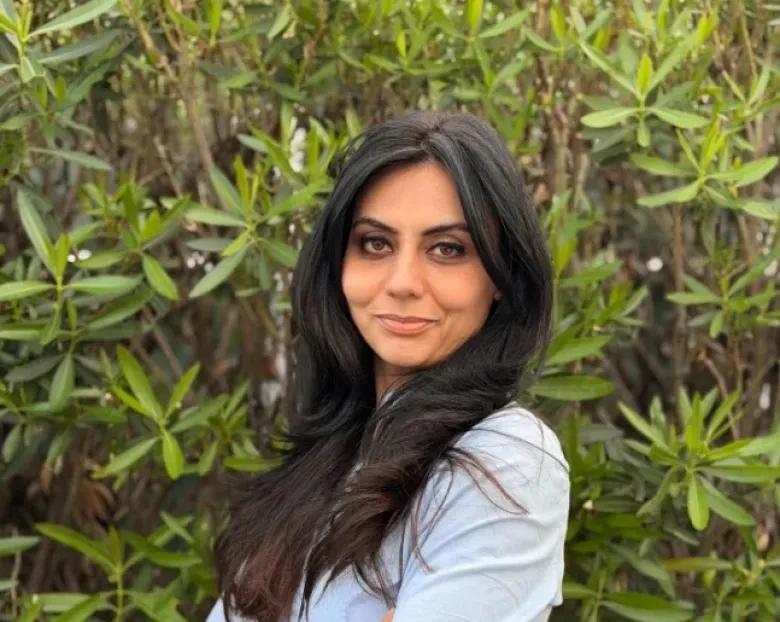
Introduction: Armenia is leading an educational transformation, actively redefining equitable access for all students. Central to this change is the progressive move toward inclusive educational shift that is eliminating obstacles and reshaping possibilities for thousands of children. To highlight the significant advances and persistent challenges within this national initiative, we spoke with independent education expert Ms. Ashikyan. With her extensive knowledge, she offers insight into how Armenia is working to provide every child, without exception, with a world-class education.
Alina Hakobyan: Ms. Ashikyan, Armenia declared inclusive education as a fundamental right. What does this mean in practice?
Marieta Ashikyan: This means we've moved from simply having special schools to ensuring every child can attend their local school with proper support. It's about transforming our education system to accommodate different learning needs while maintaining quality standards for all students.
Alina Hakobyan: Your organization was the first to implement inclusive education in Armenia. What were those early days like?
Marieta Ashikyan: When we started in 2001, it was truly pioneering work. Many doubted that children with special needs could thrive in regular classrooms. But we proved it was possible through proper teacher training, individualized support, and changing mindsets. Our pilot projects became the foundation for national policy.
Alina Hakobyan: How has the legal framework evolved to support inclusion?
Marieta Ashikyan: The 2005 law first recognized special education needs, but the real breakthrough came in 2014 when inclusive education was integrated into the general education law. This wasn't just a legal change - it represented a fundamental shift in how we view education rights.
Alina Hakobyan: Could you explain the support system now in place?
Marieta Ashikyan: We've built a comprehensive three-level system:
Each school has trained specialists
Regional centers provide additional resources
The national ministry ensures quality control
The key innovation is the Individualized Education Plan - a legally binding document tailored to each child's needs.
Alina Hakobyan: Recently, Armenia expanded inclusive education to preschools. Why is early intervention so important?
Marieta Ashikyan: The early years are absolutely critical! By identifying needs and providing support before age 6, we can prevent many learning difficulties from becoming serious problems. Our regional centers now assess children and work closely with families from the preschool level.
Alina Hakobyan: What challenges are you currently facing?
Marieta Ashikyan: While we've made great progress, some key challenges remain:
Training enough qualified specialists
Ensuring rural schools have equal resources
Changing some persistent societal attitudes
But every year we see more success stories that prove inclusion works.
Alina Hakobyan: Looking ahead to 2025, what's your vision for inclusive education in Armenia?
Marieta Ashikyan: By 2025, I want to see every child in Armenia attending their neighborhood school and receiving exactly the support they need to succeed. Not as an exception, but as the norm. We're building an education system that doesn't just accommodate differences, but values them.
Closing Thoughts:
As our conversation with Ashikyan makes clear, Armenia's journey toward inclusive education is both ambitious and inspiring. Most importantly, as Ashikyan emphasizes, this isn't just about education policy - it's about building a more inclusive society where every child has the opportunity to reach their full potential.