





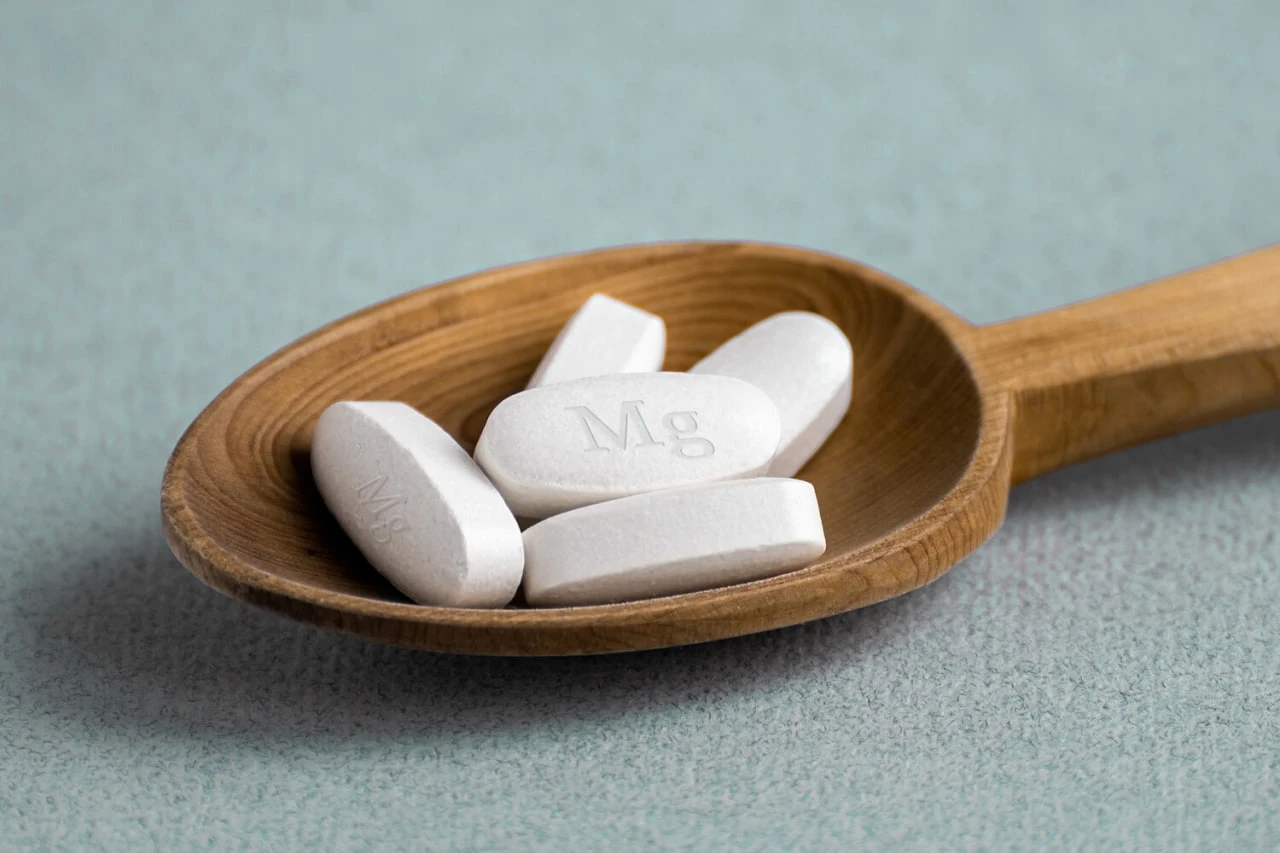
Magnesium is one of the most common nutrients today. drugstore shelves are filled with supplements, and blogs promise improved sleep, pain relief, and increased energy. Scientists have debated whether everyone really needs magnesium supplements or if it's just marketing hype, according to The Conversation.
Magnesium is an essential element required for the activity of more than 300 enzymes in the body. It is involved in protein production, supports muscle and nerve function, helps release energy from food, and regulates blood sugar and blood pressure.
Since the body cannot produce magnesium on its own, it must be obtained through the diet. The daily requirement for adults is 310-420 mg, and for children 30-410 mg, depending on age and gender. The main sources of magnesium are nuts, seeds, whole grains, seafood, meat, legumes and green vegetables. Even dark chocolate contains a small amount of magnesium, about 146 mg per 100 grams.
Magnesium deficiency is more common in people with restricted diets, gastrointestinal diseases (such as celiac disease or Crohn's disease), type 2 diabetes, alcohol dependence, and the elderly. Signs of deficiency include cramps, decreased appetite, nausea, fatigue, and arrhythmia. Magnesium levels can be checked with a doctor-ordered blood test.
Magnesium supplements are touted as a treatment for spasms, migraines, and sleep disorders. Research shows that there is still no evidence that it is beneficial for muscle spasms in the elderly, and the effects on sleep are controversial. For migraines, taking 122-600 mg of magnesium daily for 4-24 weeks can reduce the frequency and severity of migraine attacks.
Magnesium supplements vary in dosage (150-350 mg per pill) and composition. Some contain vitamins B6, C, D or other minerals (calcium, manganese, chromium). When taking multivitamins at the same time, it is important to consider the total dosage to avoid taking too much, especially vitamin B6, which can cause nervous system problems.
Experts recommend that if you suspect magnesium deficiency, do not rush to take a pill. you should first consult a doctor and be examined. In most cases, a balanced diet is sufficient.
Translation by Euromedia24.com