





"Fact" daily writes:
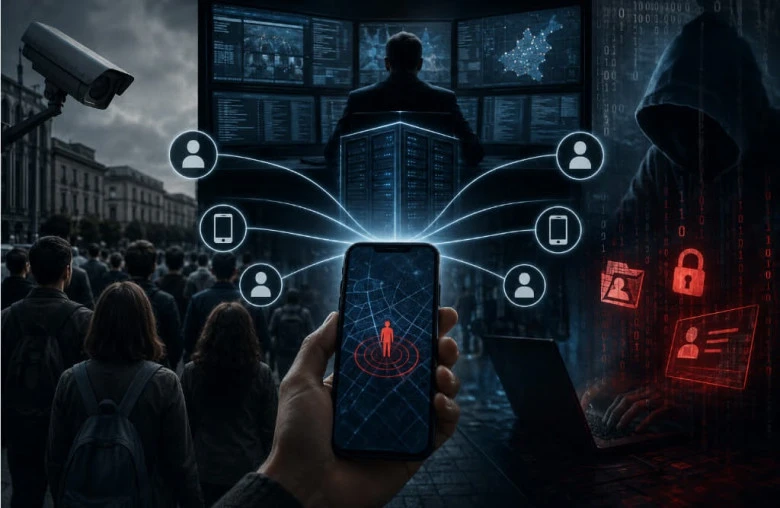
The government has approved the legislative initiative to introduce a unified system of IMEI codes for mobile devices, which has caused serious concerns among specialists in the field of information security. Although at the official level this step is justified by the fight against shadow circulation and the prevention of cases of phone theft, in the field of expertise this is qualified as a tool to establish widespread surveillance of citizens.
According to the project, a centralized database will be created, where a citizen's passport data, individual phone code and all active phone numbers will be connected to each other. This means that law enforcement agencies will have the opportunity to track exactly who has connected to the network at any time, with what device and where, which goes beyond the scope of purely tax administration.
Professional circles also point to the technical vulnerability of the system. Similar public repositories containing data from millions of users are often overloaded and fail, which can lead to widespread outages.
In addition, there is a provision in the project that gives the system administrator the right to provide the collected information in the form of "digital services" to other state institutions or private companies, which creates additional risks for non-targeted use of data.
Perhaps the biggest threat is related to cyber security. Concentrating the personal and equipment data of the entire country's population in one place becomes a prime target for hacker attacks. In case of a possible hacking of the system, the safety of every civilian will come under attack.
And the claims that this will help to detect ordinary thefts do not inspire confidence among the public, because in practice, similar technical measures are often used more quickly and purposefully to harass political opponents or journalists.
Details in today's issue of "Past" daily