




In Finland, the largest silver hoard ever discovered from the Viking Age was found with the help of a metal detector, not far from the city of Siusmä, about 150 kilometers north of Helsinki, Live Science wrote.
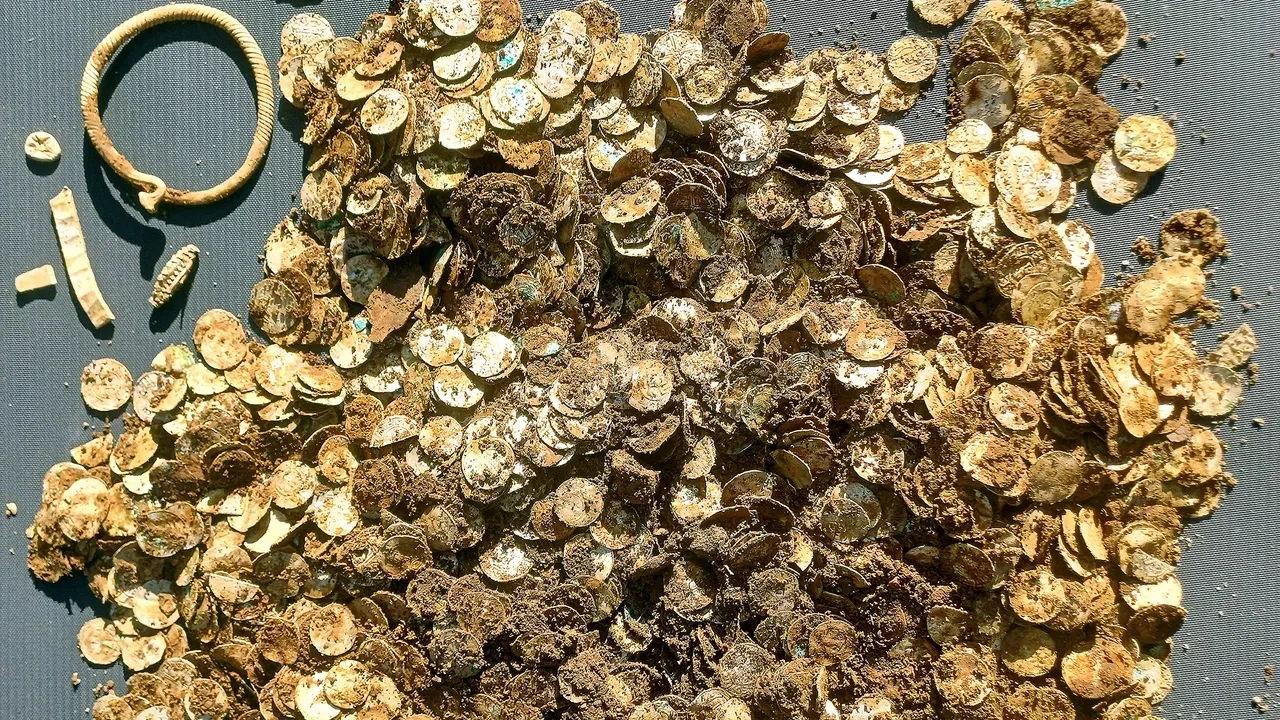
The total weight of silver coins and jewelry is about 4.5 kilograms.
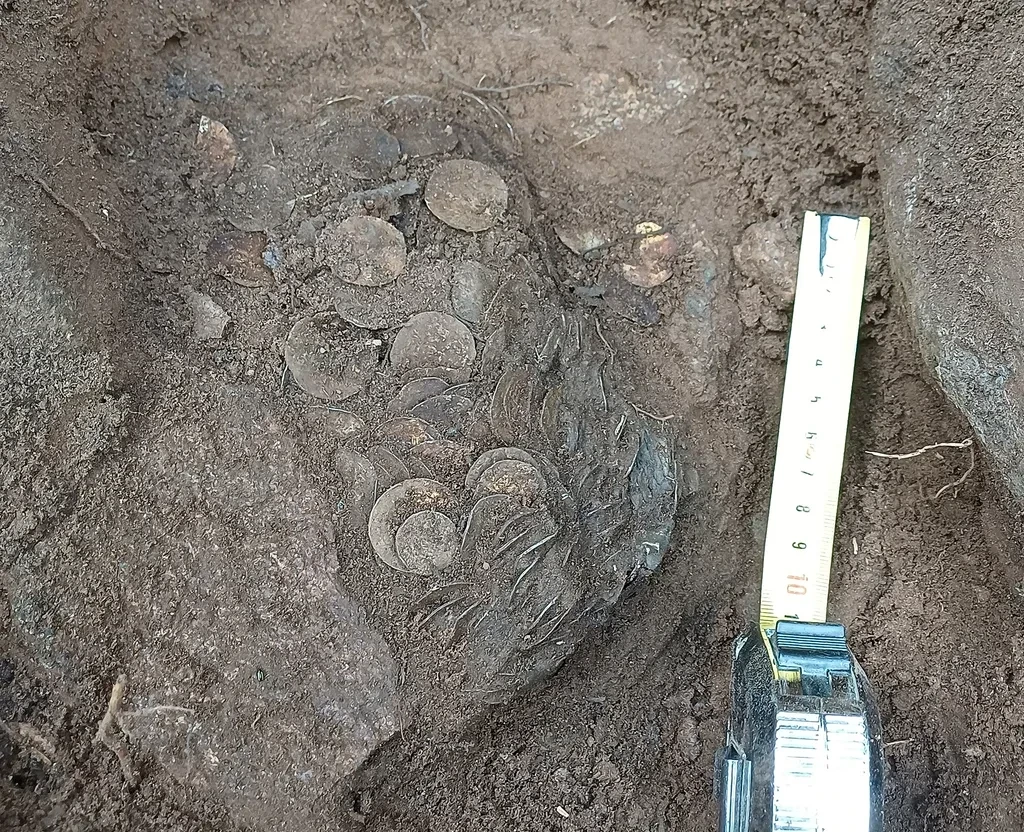
The treasury was divided into two vaults, which were located at a distance of about 12 meters from each other. The silver was stored in containers made of birch bark, which were buried between the stones, about 45 centimeters deep. It was discovered on September 3 by metal detectorist Kale Lapinen, who immediately informed the museum about it. The very next day, archaeologists inspected the site and carried out professional excavations.
The treasury has yet to be completely cleaned, sorted and re-counted, so the exact number of objects is not yet known. According to Esko Tikala, archaeologist of the Lahti Historical Museum, we are talking about thousands of finds, among which there are especially many coins.
According to preliminary data, the coins and jewelry date back to approximately 1000-1050. The coins include specimens from what are now Germany, Sweden and Great Britain, as well as several Arabic dirhams, silver coins minted in the Islamic world. Dirhams are not uncommon in old hoards found in Finland and usually date from around the 8th century to the middle of the 11th century.
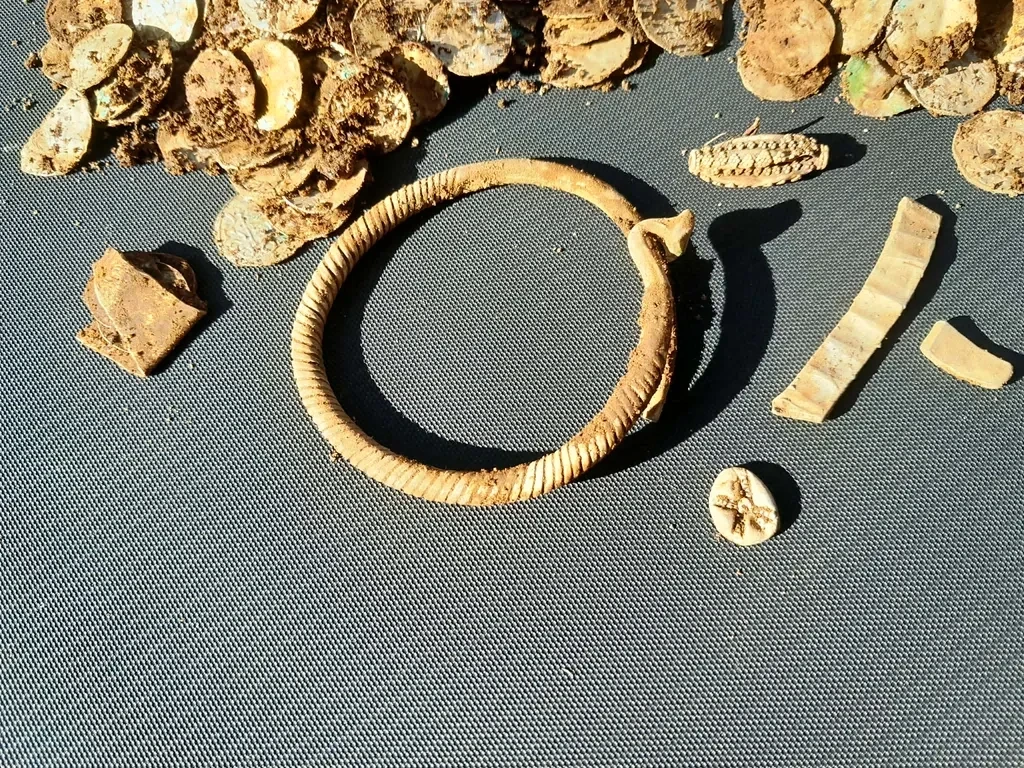
In addition to coins, archaeologists have found silver jewelry, including a bracelet, as well as so-called cut silver, pieces of silver that could have been used as a means of payment. They were cut from larger objects and weighed according to the required value.
The fact that the find dates back to the Viking Age does not mean that the treasure belonged to the Vikings or was hidden by them. As Tikala pointed out, Finland was not part of the cultural or political territory of Viking Scandinavia at that time. The term "Viking Age" is used primarily by Finnish historians and archaeologists to refer to the historical period.
Why the silver was hidden is still unknown. Such treasuries could serve as vaults to preserve wealth in volatile times, be used in religious rituals, or have other purposes. Archaeologists have also found no traces of burials nearby, although the surrounding area has not yet been fully explored.
In Finland, the largest previous treasure of the Viking Age was discovered back in 1895. It contained more than 1,700 silver coins, but weighed about twice as much as the new find.
Now the experts have to study in detail the place of discovery and the surrounding area. After that, numismatists will examine the coins and find out their origin, age and other characteristics.