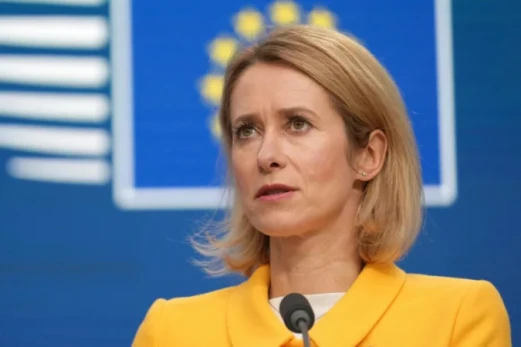





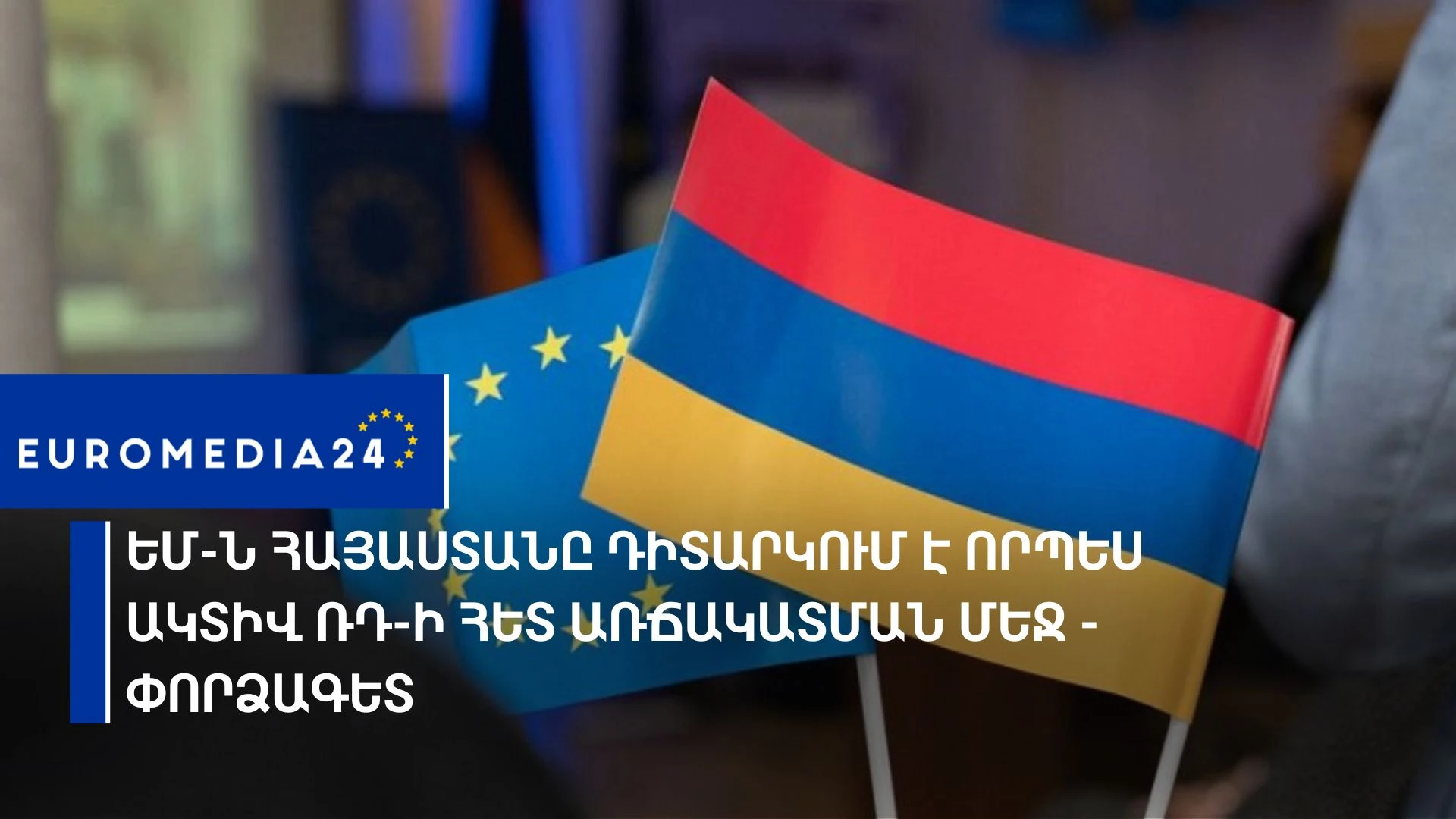
Ahead of the parliamentary elections, the European Union decided to deploy a special mission to counter hybrid threats and foreign interference in Armenia with a two-year mandate. The initiative, which is actively supported by the head of European diplomacy Kaya Callas, is announced as a measure aimed at strengthening the country's democratic stability. However, this step is definitely not accepted in the political circles of Armenia. There are fears that the strengthening of the European presence could turn the country into a theater of geopolitical confrontation between Russia and the West, and the fight against disinformation risks turning into a "Moldovan scenario" of opposition pressure.VERELQ:discussed the goals of the new EU mission and its impact on the internal political situation of Armenia with political scientist Hrant Mikayelyan.
VERELQ. European diplomats (in particular Kaya Kallas) openly call Russia the main source of hybrid threats in the region, while official Yerevan emphatically avoids such formulations. How do you rate this difference in public interpretation of mission objectives? Is it just a diplomatic difference? Hrant Mikayelyan. The point is that the parameters of the mission are decided by Brussels, not by Armenia. And Brussels has defined Russia as its military-political opponent. What's more, over the past month we've seen signs that it's working in the opposite direction as well. If in the past Russia's approach was that for the post-Soviet countries, particularly Ukraine, joining NATO is a hostile act, and joining the EU is acceptable, now, recently, that parameter is changing. Basically, the European Union and Russia are getting deeper and deeper into the conflict. And the fact that Russia is called the source of hybrid threats is the modern political vocabulary of Brussels, which simply shows the orientation and hostility of relations. The difference in these estimates stems from the difference in goals. In this context, Yerevan does not have concrete goals towards Russia, but Brussels does. VERELQ. There are fears in the opposition circles that the expansion of the European presence may turn Armenia into a platform for a "proxy war" between Russia and the West. How do you assess the possibility that the deployment of the EU mission will turn Armenia into a platform for geopolitical confrontation between Moscow and the West? Hrant Mikayelyan. As for the fears that Armenia could become a platform of "proxy war". proxy war implies the existence of combat operations. It is difficult to imagine military operations between Russia and the West directly on the territory of Armenia, but the fact that the country is becoming a platform for geopolitical confrontation is already obvious. The leadership of Armenia announced that Russia is a source of threats. During the last month, several similar statements and tough retaliatory steps were also followed by Russia. We also saw the tense debate during the meeting between Nikol Pashinyan and Vladimir Putin two weeks ago. We see the illusion of joining the European Union in the leadership of Armenia. I call it an illusion because in the next few decades it is completely unrealistic. However, this very illusion is already creating tension, and the European Union views Armenia as active in the confrontation with Russia. At the beginning of 2024, Emmanuel Macron announced that Armenia is a buffer state in this confrontation. Accordingly, there is nothing unexpected here, the conflict will only grow. How it can happen is another question. Azerbaijan can act as a tool for all external players as a way to force Armenia to support their policies. Both the West and Russia can use Azerbaijan in that capacity, and both sides have already done so. VERELQ. Some critics of the authorities refer to the recent experience of Moldova, expressing concern that restrictive measures may be applied to opposition media under the pretext of protecting against disinformation. How justified are these fears? Hrant Mikayelyan. Not only the critics of the authorities, but also the representatives of the authorities themselves, as well as the representatives of the European Union, talk about the "Moldovan scenario". On the one hand, we have not seen a direct closure of the media, but we have noticed the exclusion of media positions from the multiplex (that is, open broadcasting), the narrowing of the broadcasting zone, limiting it only to the borders of Yerevan, as well as the arrest of bloggers with the prohibition of engaging in broadcasting activities. First of all, we are talking about the "Antifake" resource, and with a rather dubious case. However, the restrictions refer not to the media field, but to political life. We see active pressure on the "Strong Armenia" party, which is expressed by the arrests of activists and representatives of the political force, including the head of the party himself, who is currently under house arrest. Therefore, Moldova's experience for Armenia is more in this dimension, as well as in the possibility that some opposition forces may not be allowed to participate in the elections. We see that the rhetoric is intensifying as the vote approaches. A political and advisory European mission was also stationed in Moldova. The authorities in Armenia also appealed to the European Union to send such a mission, and it is working here. What are the results of his work? Last week we saw the adoption of a number of new restrictions on the media and politicians. I attribute it to the results of the mission itself. VERELQ. The mission's mandate is directly related to the protection of democratic institutions ahead of the June elections. According to your forecasts, how will the presence and work of European specialists affect the level of public confidence in the voting results and their recognition by the defeated parties? Hrant Mikayelyan. Regarding the mandate of the mission, I should mention the following. We have already seen in the rhetoric of the representatives of the European Union that the preservation of democracy in Armenia is connected with the preservation of the current government. This rhetoric is supported by both the current government and the representatives of the EU delegation in Armenia, who express similar ideas. It turns out a unique logic: democracy is the rule of "democrats". And by what means it will be preserved is a secondary question, and there are serious questions related to it. As for how the public and the defeated parties will react, it all depends on how the electoral process itself will be, whether it will be fair and competitive. A huge number of questions arise here. will everyone be allowed to participate in the elections, how equal will the media access be, how strong will the administrative resources be used? These elections are crucial for the future of Armenia, a lot is at stake. We are witnessing the unprecedented involvement of the European Union in the internal political processes of the country. no one has ever participated in them to such an extent. This, of course, can affect the situation, and also in a negative direction. But the main thing is how the process itself will be evaluated as a result. The 2021 elections were also fateful, but the opposition accepted defeat also because the authorities then won by a sufficient margin, and it was clear that the irregularities, if any, had no effect on the final result. The issue of recognition of the upcoming elections and their legitimacy will depend on how the process will go this time.
VERELQ. European diplomats (in particular Kaya Kallas) openly call Russia the main source of hybrid threats in the region, while official Yerevan emphatically avoids such formulations. How do you rate this difference in public interpretation of mission objectives? Is it just a diplomatic difference? Hrant Mikayelyan. The point is that the parameters of the mission are decided by Brussels, not by Armenia. And Brussels has defined Russia as its military-political opponent. What's more, over the past month we've seen signs that it's working in the opposite direction as well. If in the past Russia's approach was that for the post-Soviet countries, particularly Ukraine, joining NATO is a hostile act, and joining the EU is acceptable, now, recently, that parameter is changing. Basically, the European Union and Russia are getting deeper and deeper into the conflict. And the fact that Russia is called the source of hybrid threats is the modern political vocabulary of Brussels, which simply shows the orientation and hostility of relations. The difference in these estimates stems from the difference in goals. In this context, Yerevan does not have concrete goals towards Russia, but Brussels does. VERELQ. There are fears in the opposition circles that the expansion of the European presence may turn Armenia into a platform for a "proxy war" between Russia and the West. How do you assess the possibility that the deployment of the EU mission will turn Armenia into a platform for geopolitical confrontation between Moscow and the West? Hrant Mikayelyan. As for the fears that Armenia could become a platform of "proxy war". proxy war implies the existence of combat operations. It is difficult to imagine military operations between Russia and the West directly on the territory of Armenia, but the fact that the country is becoming a platform for geopolitical confrontation is already obvious. The leadership of Armenia announced that Russia is a source of threats. During the last month, several similar statements and tough retaliatory steps were also followed by Russia. We also saw the tense debate during the meeting between Nikol Pashinyan and Vladimir Putin two weeks ago. We see the illusion of joining the European Union in the leadership of Armenia. I call it an illusion because in the next few decades it is completely unrealistic. However, this very illusion is already creating tension, and the European Union views Armenia as active in the confrontation with Russia. At the beginning of 2024, Emmanuel Macron announced that Armenia is a buffer state in this confrontation. Accordingly, there is nothing unexpected here, the conflict will only grow. How it can happen is another question. Azerbaijan can act as a tool for all external players as a way to force Armenia to support their policies. Both the West and Russia can use Azerbaijan in that capacity, and both sides have already done so. VERELQ. Some critics of the authorities refer to the recent experience of Moldova, expressing concern that restrictive measures may be applied to opposition media under the pretext of protecting against disinformation. How justified are these fears? Hrant Mikayelyan. Not only the critics of the authorities, but also the representatives of the authorities themselves, as well as the representatives of the European Union, talk about the "Moldovan scenario". On the one hand, we have not seen a direct closure of the media, but we have noticed the exclusion of media positions from the multiplex (that is, open broadcasting), the narrowing of the broadcasting zone, limiting it only to the borders of Yerevan, as well as the arrest of bloggers with the prohibition of engaging in broadcasting activities. First of all, we are talking about the "Antifake" resource, and with a rather dubious case. However, the restrictions refer not to the media field, but to political life. We see active pressure on the "Strong Armenia" party, which is expressed by the arrests of activists and representatives of the political force, including the head of the party himself, who is currently under house arrest. Therefore, Moldova's experience for Armenia is more in this dimension, as well as in the possibility that some opposition forces may not be allowed to participate in the elections. We see that the rhetoric is intensifying as the vote approaches. A political and advisory European mission was also stationed in Moldova. The authorities in Armenia also appealed to the European Union to send such a mission, and it is working here. What are the results of his work? Last week we saw the adoption of a number of new restrictions on the media and politicians. I attribute it to the results of the mission itself. VERELQ. The mission's mandate is directly related to the protection of democratic institutions ahead of the June elections. According to your forecasts, how will the presence and work of European specialists affect the level of public confidence in the voting results and their recognition by the defeated parties? Hrant Mikayelyan. Regarding the mandate of the mission, I should mention the following. We have already seen in the rhetoric of the representatives of the European Union that the preservation of democracy in Armenia is connected with the preservation of the current government. This rhetoric is supported by both the current government and the representatives of the EU delegation in Armenia, who express similar ideas. It turns out a unique logic: democracy is the rule of "democrats". And by what means it will be preserved is a secondary question, and there are serious questions related to it. As for how the public and the defeated parties will react, it all depends on how the electoral process itself will be, whether it will be fair and competitive. A huge number of questions arise here. will everyone be allowed to participate in the elections, how equal will the media access be, how strong will the administrative resources be used? These elections are crucial for the future of Armenia, a lot is at stake. We are witnessing the unprecedented involvement of the European Union in the internal political processes of the country. no one has ever participated in them to such an extent. This, of course, can affect the situation, and also in a negative direction. But the main thing is how the process itself will be evaluated as a result. The 2021 elections were also fateful, but the opposition accepted defeat also because the authorities then won by a sufficient margin, and it was clear that the irregularities, if any, had no effect on the final result. The issue of recognition of the upcoming elections and their legitimacy will depend on how the process will go this time.