




"Fact" daily writes:
Armenia is a country with a history of thousands of years, whose identity is based on its unique cultural heritage and values.
However, in the modern world, when globalization, technological progress and the information revolution have a serious impact on the formation and maintenance of national identities, the formation of cultural policy and a separate concept related to it becomes more urgent than ever.
The existence of a cultural concept and taking appropriate steps can not only create conditions for the preservation and transmission of our cultural heritage to future generations, but also provide a solid ideological basis for strengthening identity, developing national values and facing modern challenges.
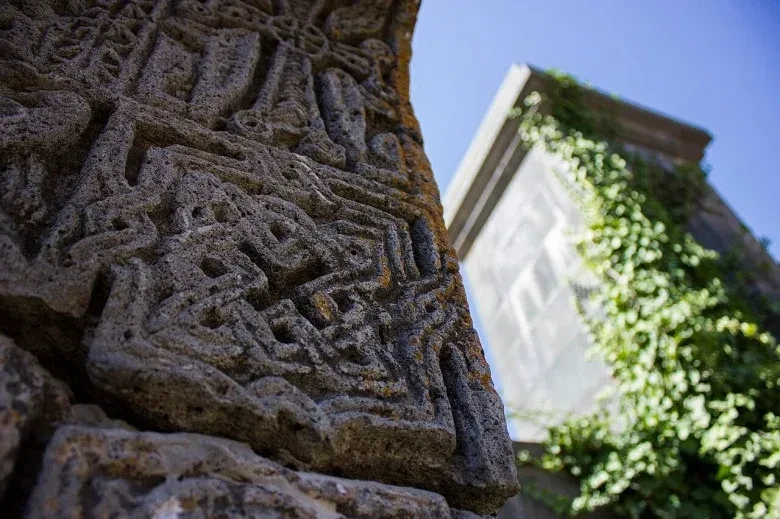
First of all, it is necessary to understand that cultural heritage is not just a reflection of the past, but a living, continuously developing system, which includes both material and non-material values: architecture, painting, literature, language, folk celebrations, customs and beliefs.
This heritage has shaped the self-awareness, world perception and social ties of the Armenian people for centuries. However, today, when external influences, foreign cultural flows and market relations often dominate the local cultural field, the danger of losing the uniqueness and originality that has been preserved in Armenian culture for centuries is increasing.
It is clear that during the anti-national policy pursued by the current authorities, the preservation of our value system is not a priority for them, but the problem is of national significance, also taking into account that very circumstance.
Without a cultural concept, which will be based on national values and heritage and at the same time respond to the demands of the modern world, the cultural sphere becomes unmanageable, fragmented and subject to external influences. In the absence of a cultural policy, the activity of cultural life only begins and ends on sectoral initiatives and individual projects, when there are no clear priorities, strategic directions and systematic approaches that would ensure the preservation, modernization and publicization of cultural heritage. As a result, many valuable monuments, works of art, linguistic and folklore traditions appear on the verge of being forgotten or neglected, and the new generations often do not recognize and do not understand their own cultural roots.
It leads to weakening of cultural identity, degradation of national self-awareness and crisis of society's value system. In the present conditions, when the young generation is often under the influence of external cultural influences, especially mass and consumerist cultural flows, it is of vital importance to make the youth mature Armenian cultural treasures through a special cultural policy.
And from this point of view, creative solutions can also be applied. Modern culture must have not only a conservative, but also a developing and changing component in order to be able to respond to the challenges of the time, involve young people, create new cultural content and form a competitive cultural environment.
However, the problem is that the financial resources allocated to the cultural sector often do not serve long-term goals, do not contribute to the revitalization of community and regional cultural life, the implementation of innovative projects or the development of cultural education. Armenia, being a small state and often exposed to external threats, cannot afford uncertainty and lack of state policy in the cultural sphere.
It is necessary to take into account that cultural heritage and identity have also become a tool of soft power in diplomacy, international relations and state image formation. Without a targeted cultural policy, Armenia may lose its influence on international platforms and will not be able to properly present its values and heritage, protect them at the international level, as well as contribute to the development of cultural tourism, the formation of a national brand and the increase of the competitiveness of exported cultural products.
ARTHUR KARAPETIAN
Details in today's issue of "Past" daily