

Euromedia24 on Play Store Euromedia24 on App Sore
BNB

$870.47

BTC

$113082

ADA

$0.868816

ETH

$4608.63

SOL

$213.76

31 °

Yerevan

20 °

Moscow

45 °

Dubai

20 °

London

26 °

Beijing

23 °

Brussels

16 °

Rome

23 °

Madrid

BNB

$870.47

BTC

$113082

ADA

$0.868816

ETH

$4608.63

SOL

$213.76

31 °

Yerevan

20 °

Moscow

45 °

Dubai

20 °

London

26 °

Beijing

23 °

Brussels

16 °

Rome

23 °

Madrid

Alzheimer's disease disrupts the internal clock of brain cells, scientists have found


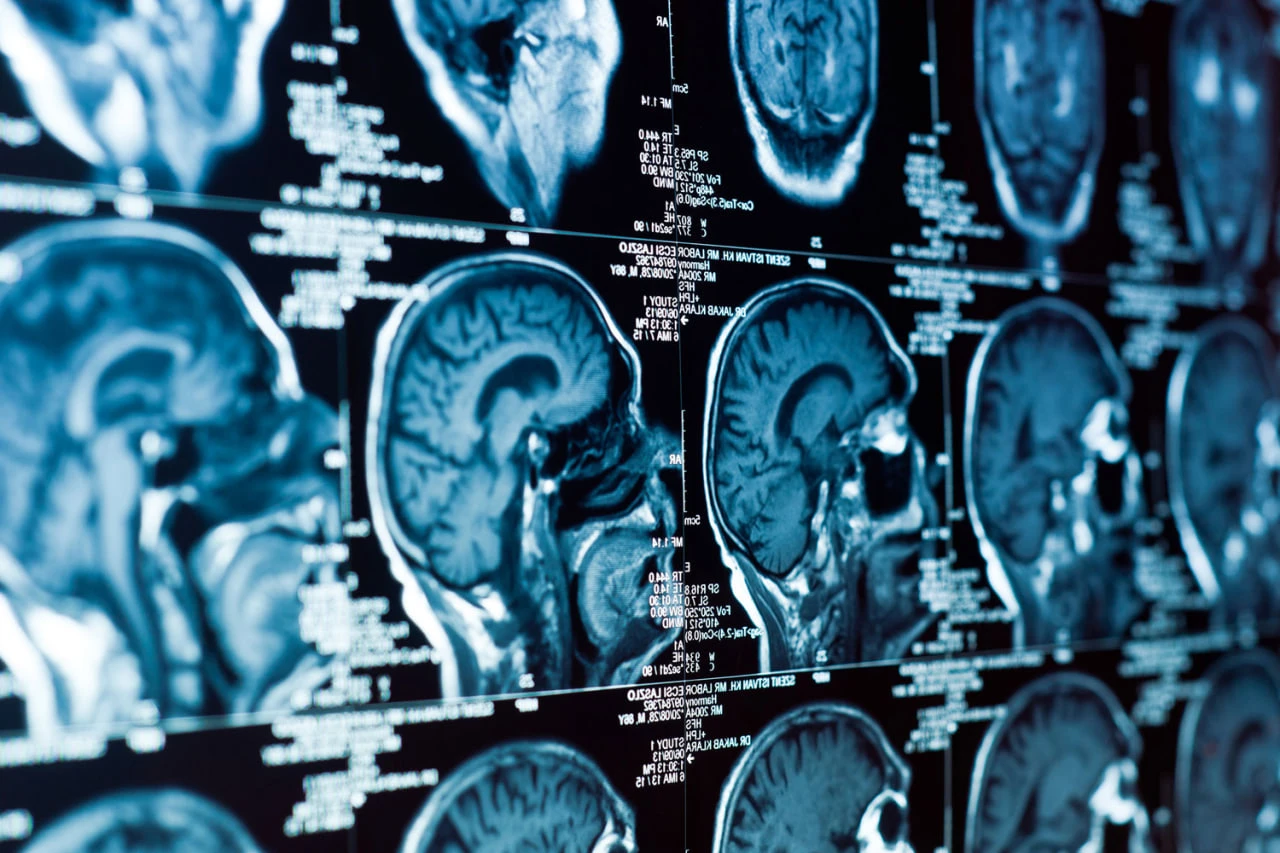
Alzheimer's disease disrupts the circadian rhythms of brain cells responsible for clearing toxic plaques. Scientists from the University of Washington School of Medicine came to this conclusion. The study was published in the journal Nature Neuroscience (NatNeuro).


Alzheimer's disease is often accompanied by sleep disorders. patients sleep poorly at night, feel drowsy during the day, and suffer from confusion in the evening. These symptoms have long been linked to disruption of the biological clock, but the mechanism remains unclear.


The team, led by neuroscientist Eric Muzik, found that amyloid plaques, a key feature of the disease, disrupt the function of hundreds of genes that regulate the circadian rhythms of microglia and astrocytes. These cells act as "cleaners" of the brain. microglia clear the tissue of toxins and dead cells, while astrocytes maintain neuronal function.


In experiments on mice, the researchers showed that when amyloid accumulates, the normal rhythms of gene activity in these cells are disrupted, turning the orderly system into a chaotic one. As a result, the synchronous activity of the mechanisms responsible for amyloid clearance is disrupted. Furthermore, amyloid creates "new rhythms" in hundreds of other genes associated with inflammation.


Previously, Muzik's group had identified the protein YKL-40, the level of which fluctuates with the circadian cycle. These changes are also associated with an increased risk of Alzheimer's disease. Now researchers believe that restoring the normal rhythms of microglia and astrocytes may be a new therapeutic option.


"We are just beginning to understand how the internal clock affects brain health. "Maybe in the future we will learn to control it - strengthen, weaken or redirect it in the right cells," Muzik noted.


Translation:Euromedia24.com-in:

News

16-year-old Laura Khnkikian was found as a missing person
New persecutions of 7 bishops
Modi announced India's intention to develop cooperation with Arab countries
As a result of Israeli strikes, more than 20 people were killed in Gaza in one day
Britain and the EU are exploring the prospects for defense cooperation
The Turkish Foreign Ministry announced the violation of the principles of the United Nations due to the decision on Cyprus
Kyiv has been left without water supply due to a power failure
Al Hadath: More than 950 former IS fighters have been transferred from Syrian prisons to Iraq
The US government has partially suspended work pending approval of funding
The former Minister of Culture was sentenced to 4 years and 6 months in prison, an amnesty was applied
Important
Two Armenians remained in Stepanakert. one of them is missing
Important
The military mentality is evident from the morning in the Church of the Holy Mother of God in Kanaker
The US has approved the sale of Patriot missiles to Saudi Arabia
Musk: The balance of power in the world is changing
Sax: The Peace Council will not bring a peaceful solution to the Middle East
Kyodo: Security measures have been strengthened before the elections in Japan
16-year-old Laura Khnkikian is being sought as missing
Zakharova: Moscow will continue cooperation with Cuba
Cuba will not relinquish its sovereignty regardless of US actions
Axios. Saudi Arabia believes that the withdrawal of US strikes will strengthen the Iranian government