





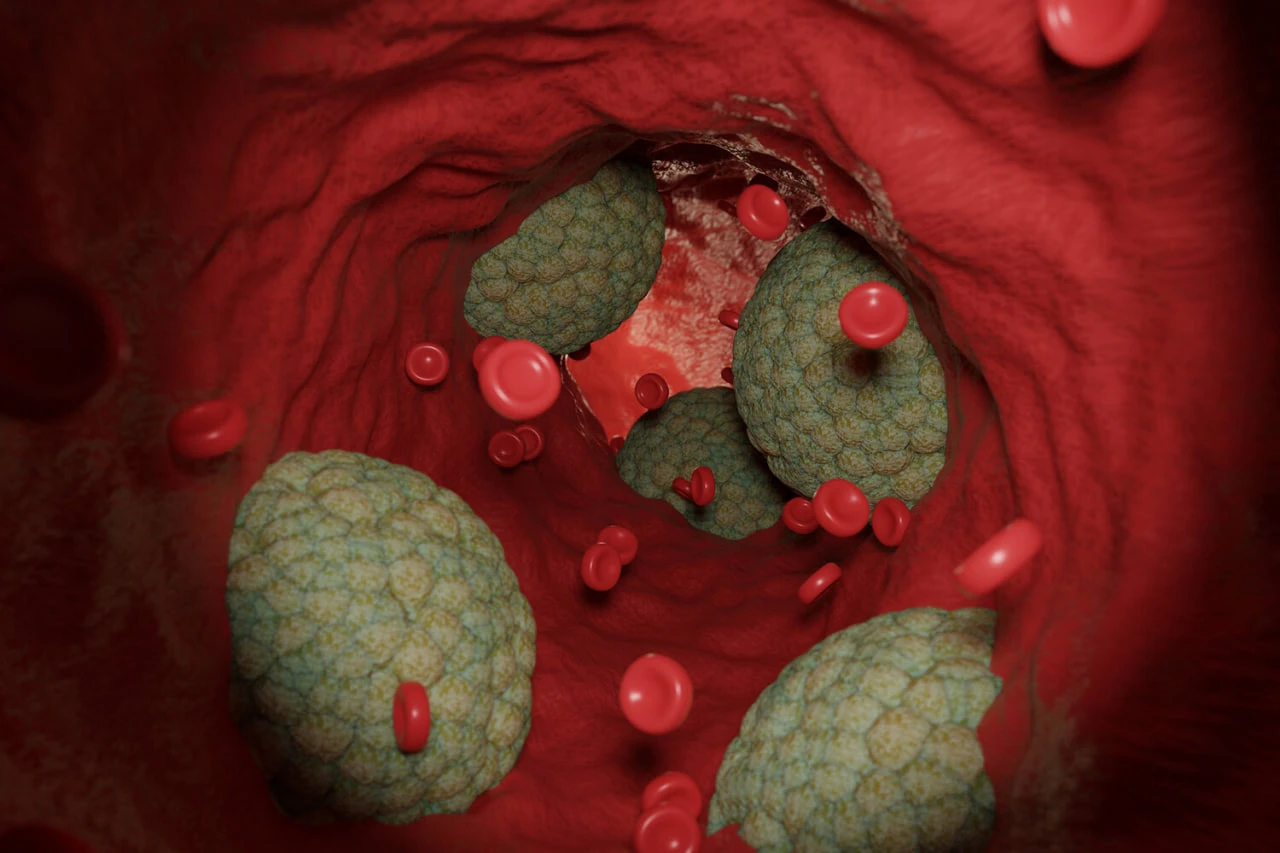
The high fat diet can increase the risk of thrombosis, affecting the intestinal microbiota, found scientists from the China Academy of Sciences. The results of the study were published in the Cell Reports Medicine (CRM) magazine.
Attempts on mice have shown that in case of excess fat in the diet, certain strains of palmitine acid (PA) are activated in the intestine. This material, as it turns out, violates the balance of blood coagulation system. According to scientists, it puts it on the effect of APC protein, which "dilates" blood and simultaneously activates platelets.
The study confirmed that the presence of bacteroid thetaiotaomicron bacteria produces hyperpirulation, in which case the risk of thrombosis increases.
In addition, it turned out that fatty food contributes to Clostridium Perfringens to reproduce in the intestines. These types of bacteria affect the blood coagulation by raising the fibrinogen level. This protein usually "seals" the wound and prevents bleeding, but its active work can lead to blood levels.
Researchers have also discovered a possible way to protect the bioflavonoids in citrus fruits. This compound was able to block one of the main stages of a fibrinogenic level.
Translation of: Euromedia24.com