





Hydrometeorology and Monitoring Center has published an article on the acidity of the world's ocean.
The changes in the chemical composition of the world Ocean are linked to global climatic processes, first of all, increasing the number of carbon dioxide in the atmosphere. When the amount of SO, it increases, it starts to be resolved more actively and causes acidic properties to the pH of ocean water. The study of US scientists testifies to that worrying fact. Mankind has already crossed another planetary border, which is connected with the acidification of the ocean, writes Ab-News. Over the past 150 years, the pH of sea water has decreased by 0.1, which by sliding scale means significant increase in acidity.
Discovery, published in the Global Change Biology magazine, is based on the comprehensive analysis of icy nuclei measurements, computer modeling and observation of marine ecosystems. Scientists have come to the conclusion that about 40% of the world's surface water and about 60% of the subcontractor have already overcome the critical threshold of carbonate ions, the main acidification indicator. Moreover, this sharp turning point was overcome at least 5 years ago.
The World Ocean absorbs about 30% of carbon dioxide emitted by human activities, which leads to a chain of chemical reactions. COO dissolves in water and causing carbon dioxide, reduces the concentration of carbonate ions. And those ions are vital for marine organisms, which build their shells and skeletons from calcium carbonate, from coral to crayfish and plankton.
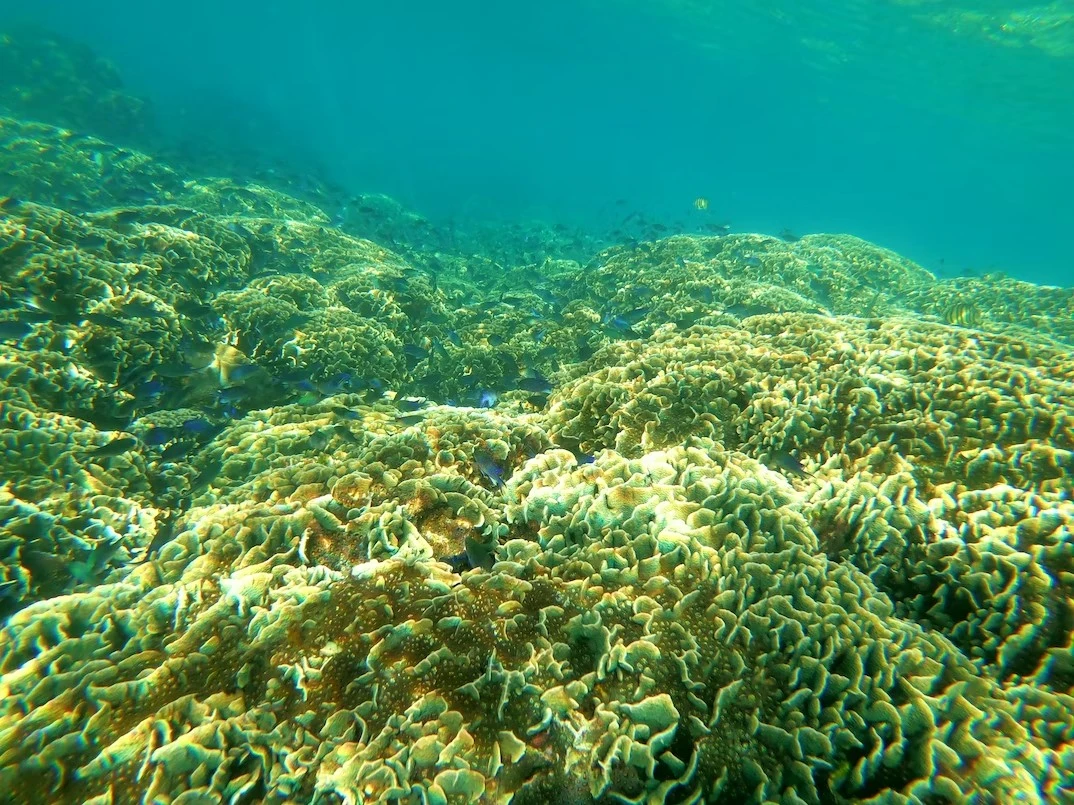
The decrease in carbonates leads to the decay of Coral Credit, which are "Underwater Cities" and provide biodiversity, defense of coastal areas. In addition, acidicization undermines food chains, threatening the existence of many maritime residents, which, of course, affects millions of people's food security.
The concept of "planetary borders", which was developed by scientists in 2009, defines the thresholds when humanity can exist safely without making irreversible changes in the country's ecosystems. Six have already been violated from nine main boundaries, biodiversity change, biodiversity and chemical pollution. The new study adds to this list the seventh, the acidicization of the ocean.
Despite the bad conclusions, the authors of the study emphasize that overcoming the planetary border does not mean that the situation is irreversible. Reduction of co₂ emissions and the transition to sustainable economic models can gradually restore the chemical balance of the ocean.
But time is working against people. The longer the current dynamics are maintained, the more difficult it will be to turn the process in the opposite direction.