

Euromedia24 on Play Store Euromedia24 on App Sore
BNB

$870.47

BTC

$113082

ADA

$0.868816

ETH

$4608.63

SOL

$213.76

31 °

Yerevan

20 °

Moscow

45 °

Dubai

20 °

London

26 °

Beijing

23 °

Brussels

16 °

Rome

23 °

Madrid

BNB

$870.47

BTC

$113082

ADA

$0.868816

ETH

$4608.63

SOL

$213.76

31 °

Yerevan

20 °

Moscow

45 °

Dubai

20 °

London

26 °

Beijing

23 °

Brussels

16 °

Rome

23 °

Madrid

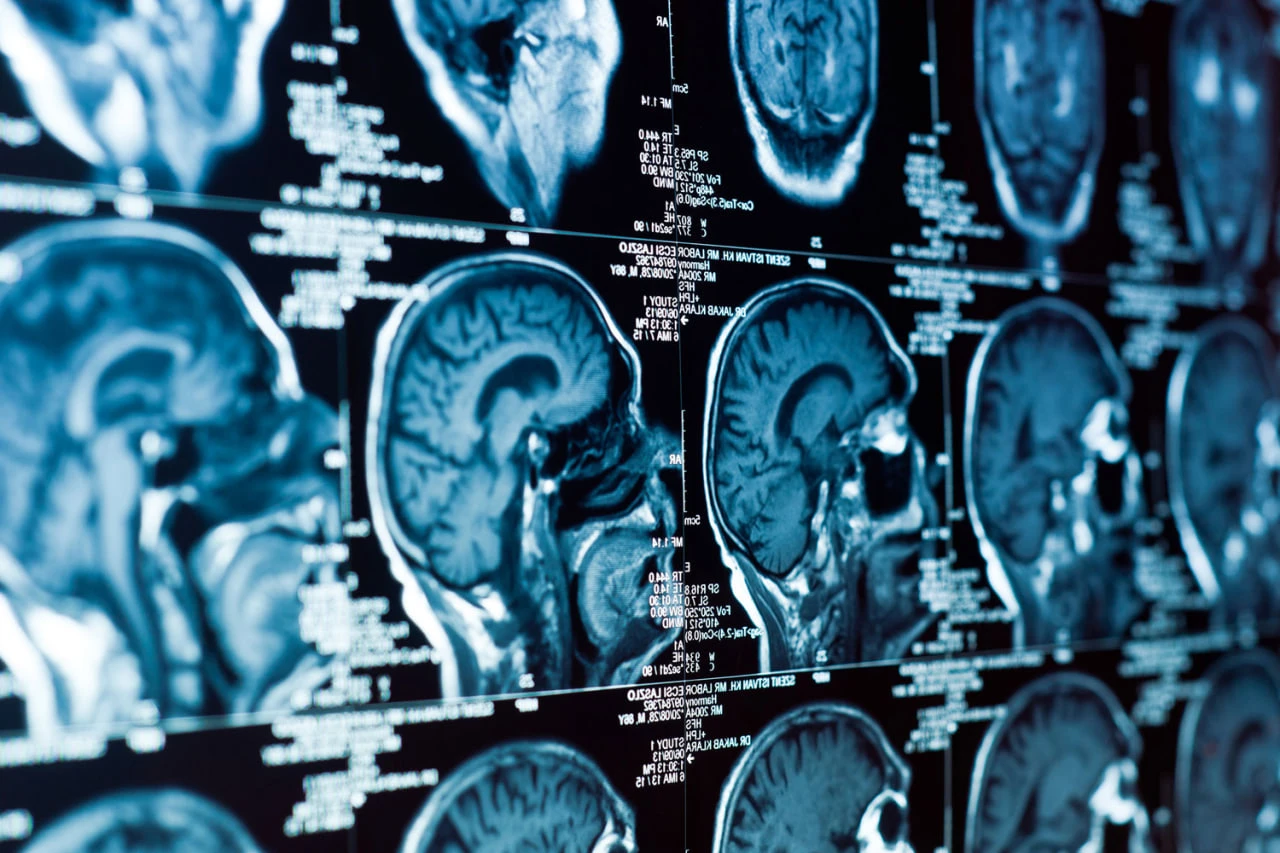
Alzheimer's disease disrupts the internal clock of brain cells, scientists have found


Alzheimer's disease disrupts the circadian rhythms of brain cells responsible for clearing toxic plaques. Scientists from the University of Washington School of Medicine came to this conclusion. The study was published in the journal Nature Neuroscience (NatNeuro).


Alzheimer's disease is often accompanied by sleep disorders. patients sleep poorly at night, feel drowsy during the day, and suffer from confusion in the evening. These symptoms have long been linked to disruption of the biological clock, but the mechanism remains unclear.


The team, led by neuroscientist Eric Muzik, found that amyloid plaques, a key feature of the disease, disrupt the function of hundreds of genes that regulate the circadian rhythms of microglia and astrocytes. These cells act as "cleaners" of the brain. microglia clear the tissue of toxins and dead cells, while astrocytes maintain neuronal function.


In experiments on mice, the researchers showed that when amyloid accumulates, the normal rhythms of gene activity in these cells are disrupted, turning the orderly system into a chaotic one. As a result, the synchronous activity of the mechanisms responsible for amyloid clearance is disrupted. Furthermore, amyloid creates "new rhythms" in hundreds of other genes associated with inflammation.


Previously, Muzik's group had identified the protein YKL-40, the level of which fluctuates with the circadian cycle. These changes are also associated with an increased risk of Alzheimer's disease. Now researchers believe that restoring the normal rhythms of microglia and astrocytes may be a new therapeutic option.


"We are just beginning to understand how the internal clock affects brain health. "Maybe in the future we will learn to control it - strengthen, weaken or redirect it in the right cells," Muzik noted.


Translation:Euromedia24.com-in:

News

Mertz will visit Washington
Important
Sanasaryan was acquitted. Will Pashinyan apologize to him?
The spread of the fire to the settlements was prevented
There will be no light on Monday. addresses
A 20-year-old man was killed today in the central square of Sevan
More than 70 tigers died in a zoo in Thailand in a few weeks
The United States is discussing the possibility of killing Khamenei. The statement of the Central Committee of the Central Committee is condemnable (video)
Financial literacy from an early age. Ameriabank's new initiative (video)
Short rain expected, sleet and sleet on February 26
Trump signed an executive order imposing 10% tariffs on all countries in the world
Armenian is one of the oldest languages ​​in the world. EU Ambassador's Armenian message on the occasion of International Mother Language Day
The EU is ready to support the diplomatic process over Iran's nuclear program
Ruben Vardanyan left a voice message after the harsh "sentence" in Baku
The foreign ministers of Iran and Qatar discussed the negotiations between Tehran and Washington
Mexico's policy stabilizes the situation in America
Iran is sending an official signal not only to the UN, but also to all countries in the region. Zakarian
JW. The EU's demands on Russia will prevent it from getting a place in the negotiations on Ukraine
Against the backdrop of Hungary's actions, Ukrainians were urged to leave the country
France bought the maximum amount of metal from Russia in 2025
The Pentagon has begun testing drones as part of a new initiative