




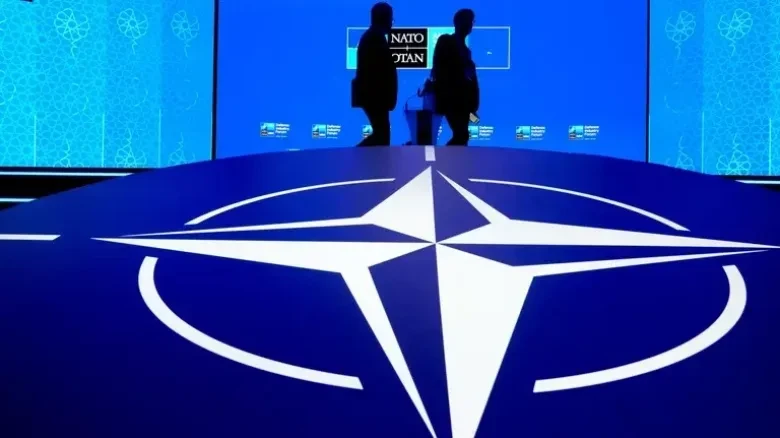
NATO countries are facing a shortfall of nearly 7 billion euros to meet their commitments for providing military assistance to Ukraine in 2026. With the intensification of Russian air attacks and the approach of winter, the lack of funds may complicate Kyiv's purchase of necessary weapons to defend against missiles and drones, Politico reports, citing three diplomats from the alliance.
In July, the 32 NATO countries agreed to provide Ukraine with 70 billion euros in military aid in 2026 and an equal amount in 2027. However, with less than two months remaining before the end of the year, allies still fall short by about 7 billion euros to reach the agreed goal. The precise reasons for the shortfall are unknown.
At a meeting scheduled for November 17 at NATO headquarters, European countries intend to discuss ways to increase funding and accelerate the delivery of vital weapons. According to diplomats, allies may announce new commitments, but there is a risk that the final volume of this year's aid will not reach the planned level.
A NATO spokesperson stated that allies continue to provide Ukraine with the necessary military support and are working to meet its needs both in the near future and longer term.
The agreed target includes bilateral aid provided by countries over the year, as well as 30 billion euros from the European Union's planned 90 billion euro loan for Ukraine.
Kyiv has repeatedly urged partners to increase funding amid ongoing Russian air strikes. On Thursday, during a closed meeting with allies, Ukraine's NATO ambassador, Alona Hetmanchuk, emphasized the need to fulfill the commitments made at the summit held in Ankara in July. The Ukrainian delegation also called for speeding up new decisions and turning previous promises into real deliveries of weapons or transfers of funds.
NATO Secretary General Mark Rutte previously stated that allies need to step up support for Ukraine, especially in the area of air defense, as winter approaches and Russian attacks continue.
The funding shortfall reflects growing difficulties in Western countries continuing military aid. After Donald Trump returned to the White House, the United States almost stopped providing new aid packages, leaving the main burden on European states. Meanwhile, Germany, the Netherlands, and Northern European countries, which have traditionally made significant contributions, are urging other allies to participate more actively in funding.
There is a separate issue related to the PURL program, under which European countries purchase vital American weaponry for Ukraine, including interceptor missiles designed for Patriot systems.
According to two diplomats, there is already a 1.9 billion dollar funding gap in financing deliveries agreed upon but not yet paid for under this program.
Additionally, allies doubt they will reach the 15 billion dollar fundraising target for PURL set by Rutte for this year. According to NATO's Ukrainian representation, 29 countries have joined the program. Since its launch in 2025, the total announced investments have amounted to about 9 billion dollars.