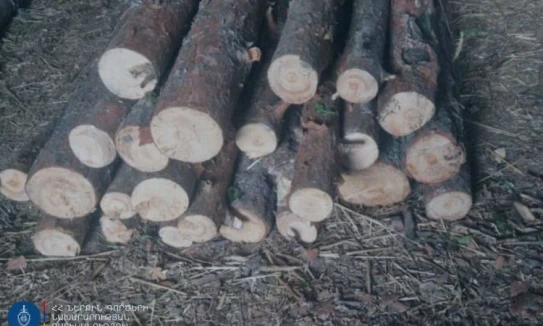
Due to climate change, melting glaciers are revealing historical artifacts hidden under the ice for thousands of years—from the body of ancient humans to Viking routes and frozen forests.
In 1991, two tourists discovered a human body protruding from the ice in the Alps. Initially, it was thought to be the result of a recent accident, but studies showed that the finding is about 5300 years old.
The mummy, named "Ötzi the Iceman," was so well preserved that scientists were able to study his tattoos, determine what he ate before death, and discover the tip of an arrow lodged in his shoulder by which he was killed. This is one of many discoveries made possible by melting ice. According to research, from 2000 to 2023, the world’s glaciers have lost an average of about 270 billion tons of ice annually.
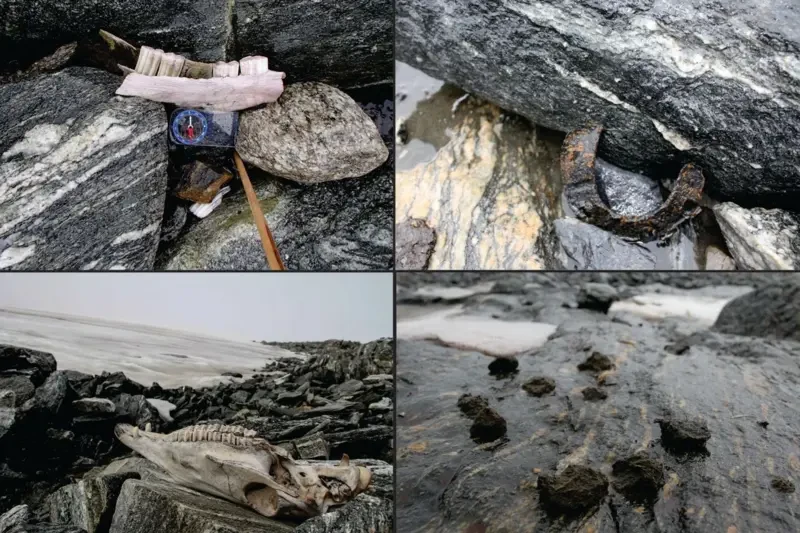
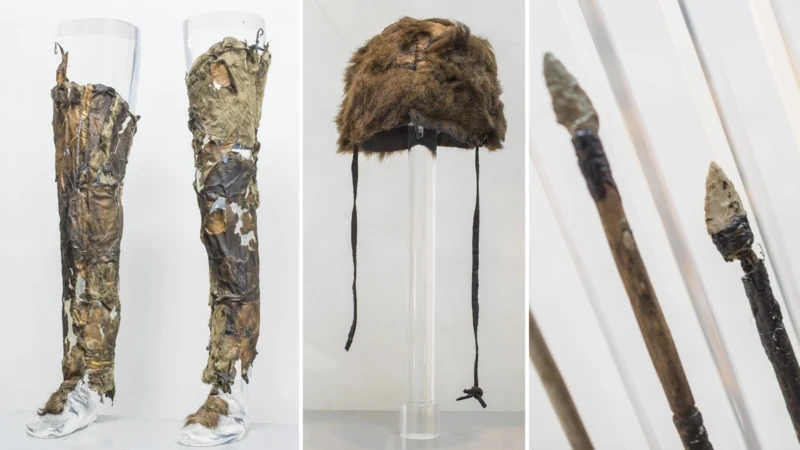
In Norway, melting ice has revealed an ancient Viking Age road. Along this route, items at least 2000 years old were found, including parts of horse harnesses, skis, shoes, gloves, children’s toys, and weapons. Archaeologists say these findings not only uncover mysteries of the past but also tell of the lives of ordinary people, showing how they dressed, traveled, and worked.